
How to Source Durable Yet Cheap Football Practice Jerseys for Academies?
Overview:
This article explains how academies can buy low-cost practice jerseys without sacrificing wash durability, fit consistency, or reorder control. We look at fabric choice, seam strength, print method, size planning, and supplier terms for buyers in the USA, Canada, and Mexico.
Start with fabric that survives weekly washing
When buyers ask for cheap football practice jerseys, the real question is not the lowest quote but the lowest cost per usable month. For academy training kits, we usually start with polyester because it is lightweight and durable, dries fast, and holds shape after repeated washing.
Before approving a sample, we ask for GSM, knit type, and wash-test evidence. Many low-cost jerseys do not fail in the first session; they fail after repeated laundry cycles, when the body twists, the hem waves, or the chest area loses shape.
Check seam construction before debating trim details
Durable practice tops do not need premium retail finishing, but they do need stable shoulder seams, clean overlock work, and a neckline that recovers after stretching. Weak seams create replacement cost even when the fabric itself is acceptable.
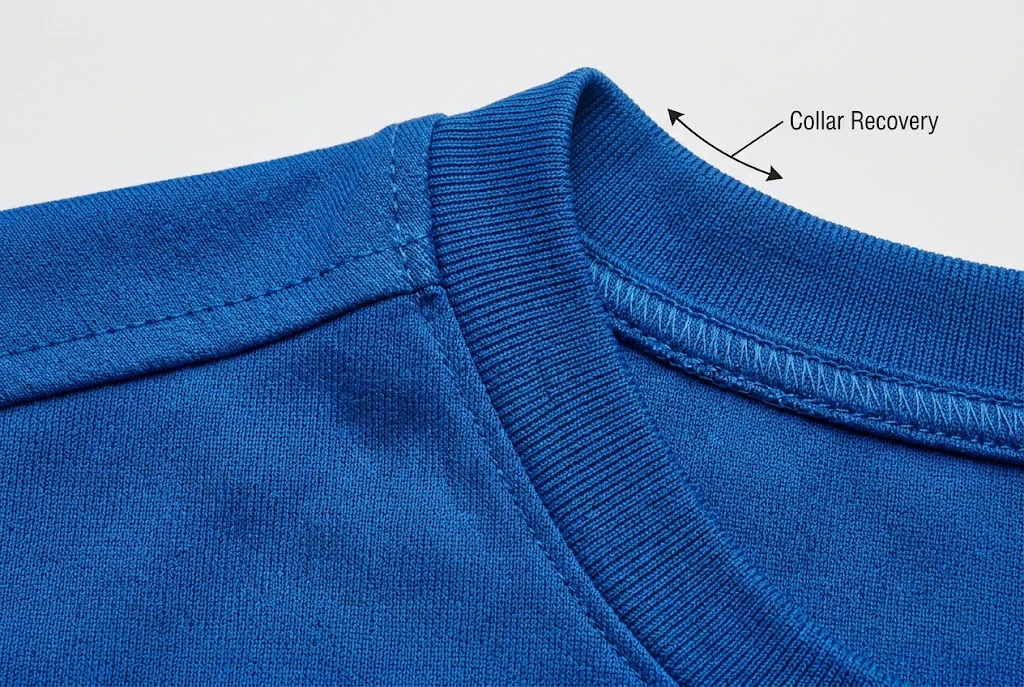
We treat seam quality as a budget-control issue, not a premium add-on. A slightly better stitch package usually saves more than it costs because coaches spend less time sorting damaged stock and buyers avoid urgent mid-season reorders.
Use the right print method for repetition, not display
Practice jerseys are working garments. If the academy needs numbers, staff identifiers, or sponsor marks, the decoration method should match the wash frequency and replacement cycle rather than the showroom effect.
For larger repeat programs or more design coverage, sublimation can reduce peel risk from layered applications and keep the visual result more stable across reorders. The right print method is the one that stays usable through school terms, tournament travel, and weekly laundering.
Size ratios and replenishment matter more than unit price
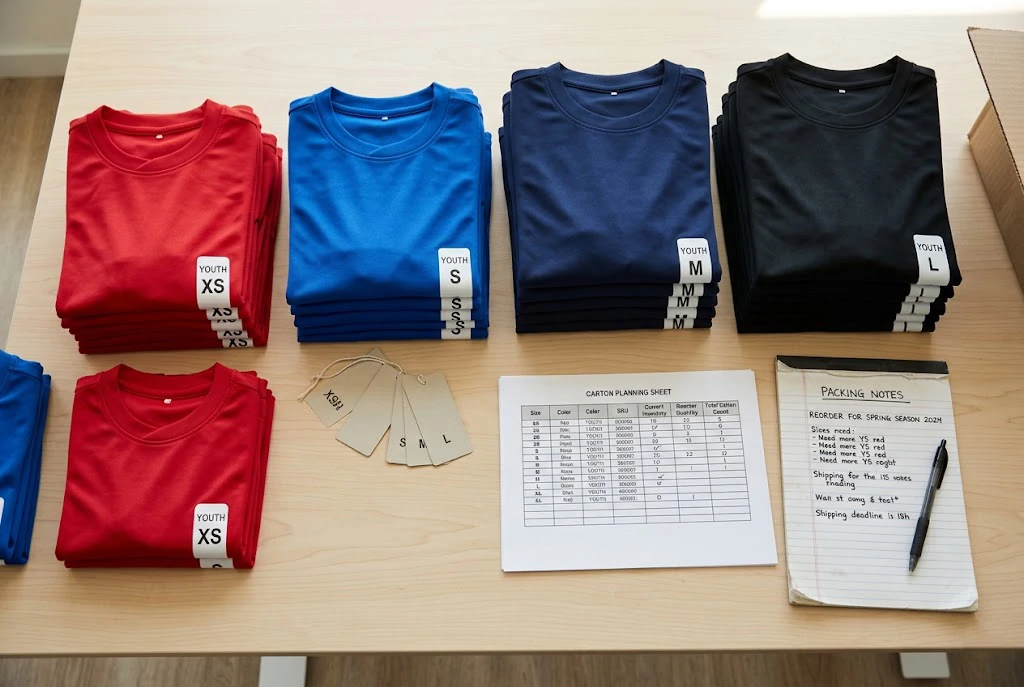
The cheapest quote often becomes expensive when the size curve is wrong. Academies in North America need size ratios built around roster reality, not generic packs copied from adult supporter wear.
In the U.S. market, the move back to seasonal-year age group formation from the 2026-27 registration year is a good reason to review size curves instead of copying last season’s ratios. Buyers serving U9 to U15 programs should separate academy practice kits from kids soccer jerseys for mixed age squads, because grading, neckline depth, and length tolerance are different.
Quote landed cost, not just ex-factory price
For the USA, Canada, and Mexico, low headline pricing can hide repacking, split shipments, relabeling, or rush replenishment. We compare suppliers on delivered cost, carton logic, size-pack flexibility, and whether repeat orders can reuse the same trims.
We also prefer suppliers that document fabric lots and run AQL-based inspection checkpoints before packing. That matters more than showroom polish when one missing carton or one unstable batch can interrupt an academy calendar.
Frequently Asked Questions
Q: What fabric weight is practical for academy practice jerseys?
A: For most academy training tops, a midweight polyester fabric is the practical starting point because it balances wash durability, drying speed, and cost control. We do not treat heavier fabric as automatically better, especially for warm-weather programs in the USA, Mexico, or indoor training environments. When sessions are frequent, we would rather ask for a denser knit or better seam stability than move straight to a much heavier body fabric. That keeps the jersey wearable for players while still extending service life.
Q: Are sublimated jerseys always the cheapest option?
A: Not always. For short runs with one or two simple marks, a blank base with controlled decoration can land lower than a fully custom build. Sublimation becomes more efficient when the design coverage is high, colors need to stay consistent, or the academy expects repeat orders across multiple squads. In those cases, it can reduce failure points created by layered applications.
Q: How should academies plan size ratios for youth squads?
A: We prefer ratios built from actual roster data by age band, not from a supplier’s default pack. A good size curve reduces dead stock faster than chasing a small unit-price discount. It also helps to hold a reorder buffer in the two fastest-moving sizes and confirm whether restocks can reuse the same trims, collar shape, and measurement tolerances. That matters when teams add players mid-season.
Q: What should buyers ask before paying a deposit?
A: Ask for the fabric specification, GSM, measurement chart with tolerances, decoration method, inspection standard, production lead time, and repeat-order rules. Those points define whether the quote is truly comparable. We also recommend confirming carton ratios, labeling requirements for the destination market, defect handling, and who pays when replacement goods are needed. Deposit terms make sense only after those operating details are clear.
Ending
If you need a working price list rather than a headline quote, please discuss your bulk order requirements directly with our wholesale team today. We can review fabric options, size ratios, decoration methods, and repeat-order terms, then suggest the most practical sampling path for your academy, reseller, or regional program.