
How to Verify a Reliable Soccer Uniform Supplier Before Bulk Ordering
Overview
Selecting a reliable soccer uniform supplier determines your inventory stability and profit margins. This guide outlines how to audit manufacturing quality, assess production scalability, and verify dropshipping capabilities before committing to bulk purchases.
1. Auditing Fabric and Material Consistency
Sourcing durable inventory begins with evaluating the raw materials utilized by the facility. A professional manufacturer maintains strict specifications for polyester blends, ensuring consistent moisture-wicking properties across all production batches.
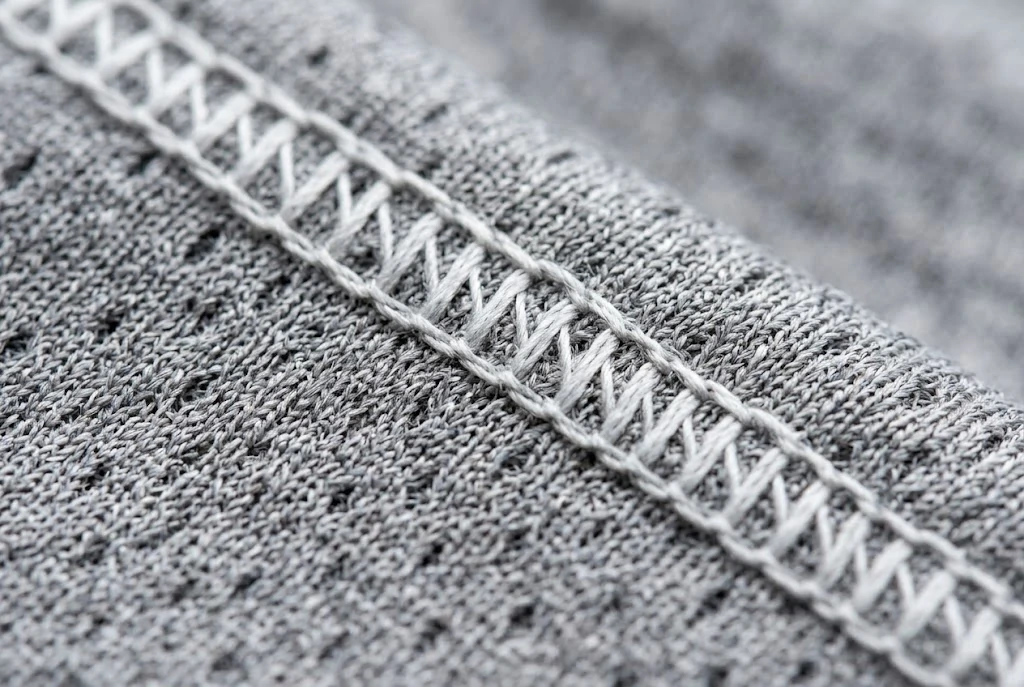
B2B buyers should request physical samples to assess fabric weight and breathability directly. This preliminary inspection mitigates the risk of receiving subpar goods that could harm your retail reputation and decrease end-consumer satisfaction.
2. Evaluating AQL Quality Control Protocols
Manufacturing consistency is guaranteed through rigorous Acceptable Quality Limit (AQL) standards. Facilities that implement routine inspections during the stitching and embroidery phases significantly reduce the defect rate in bulk shipments.
We prioritize these internal audits to ensure every crest and seam meets commercial expectations. Retailers must confirm their manufacturing partner utilizes structured quality control before signing long-term procurement contracts.
3. Assessing Scalability for Peak Seasons
Inventory demands fluctuate dramatically around major international football tournaments. Your supply chain partner must demonstrate the infrastructural capacity to scale production rapidly without compromising the established quality baseline.
When planning for the upcoming season, analyzing the factory’s historical lead times is essential. Reliable fulfillment prevents pre-season stockouts, allowing your business to capture maximum market share when demand for club team jerseys peaks.
4. Verifying White-Label and Dropshipping Integration
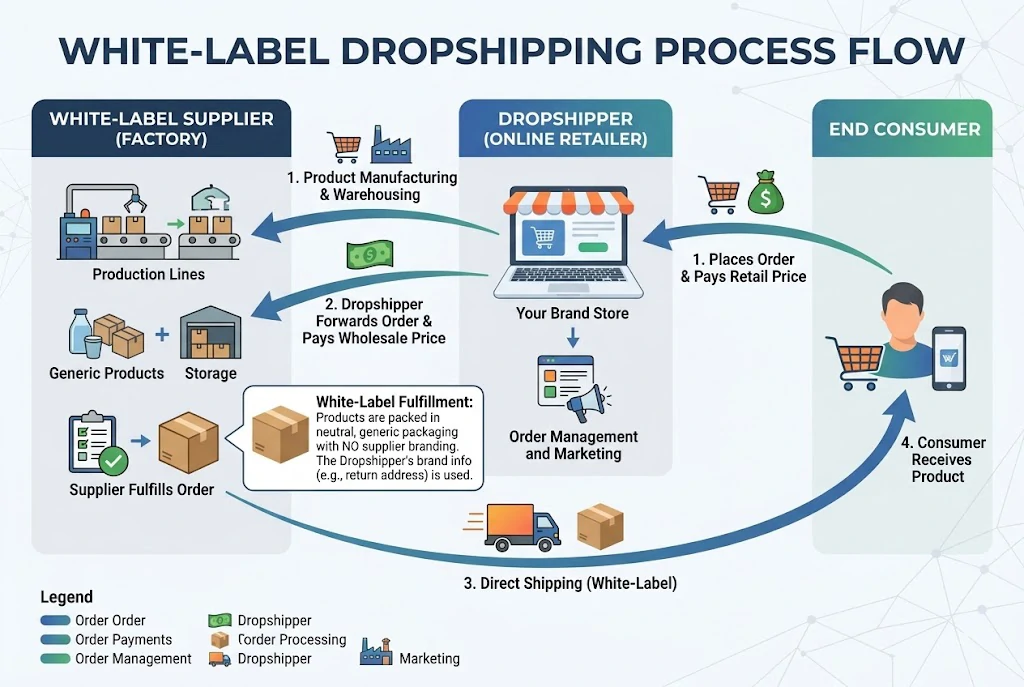
Modern retail operations often rely on decentralized fulfillment to optimize capital allocation. Suppliers offering blind dropshipping allow B2B merchants to process orders seamlessly without maintaining expensive domestic warehouse space.
It is crucial to verify that the facility uses strictly neutral packaging for direct-to-consumer dispatch. This white-label compliance protects your brand identity and prevents your buyers from bypassing your retail channel in future transactions.
5. Customization Capabilities for Blank Kits
Local grassroots clubs frequently require rapid personalization for their practice apparel. Procuring blank jerseys from a facility equipped with in-house dye-sublimation and heat-pressing technologies streamlines this entire customization process.
Consolidating the blank procurement and printing phases with one vendor reduces overall unit costs. This operational efficiency provides you with wider profit margins and faster turnaround times for highly specific regional team orders.
Frequently Asked Questions
Q: How do we verify the manufacturing standards before placing a bulk order?
A: We strongly advise initiating the procurement process by ordering a mixed sample package. This allows your team to physically evaluate the fabric durability, precise stitching, and overall construction quality firsthand.Once approved, ensure the factory commits to matching this exact sample quality for the entire wholesale run. Implementing a clear contractual agreement regarding AQL defect limits safeguards your capital investment.
Q: Can we mix different team variants and sizes within a single wholesale case?
A: A flexible supply chain is designed to accommodate diverse retail inventory requirements. B2B buyers can typically combine various sizes and different variants within the same bulk export carton to test local market preferences.This mixed-case strategy prevents the accumulation of dead stock in extreme sizes. It is an effective method for new retailers to optimize their capital while offering a comprehensive catalog to their end consumers.
Q: What are the standard lead times for international dropshipping fulfillment?
A: Standard cross-border dropshipping via air freight generally requires seven to twelve business days for delivery to North American or European destinations. This includes order processing and initial factory dispatch times. For orders requiring custom sublimation on blank kits, the production phase adds slight variable delays. Retailers should explicitly communicate these lead times on their storefronts to maintain trust and manage buyer expectations.
Ending
Securing a dependable manufacturing partner is the foundation of a profitable sports apparel business. Our facility is equipped to handle complex B2B requirements, from bulk inventory to seamless white-label dropshipping. Please contact our wholesale team today to discuss your specific volume needs, request a customized price list, and secure your supply chain for the upcoming season.